
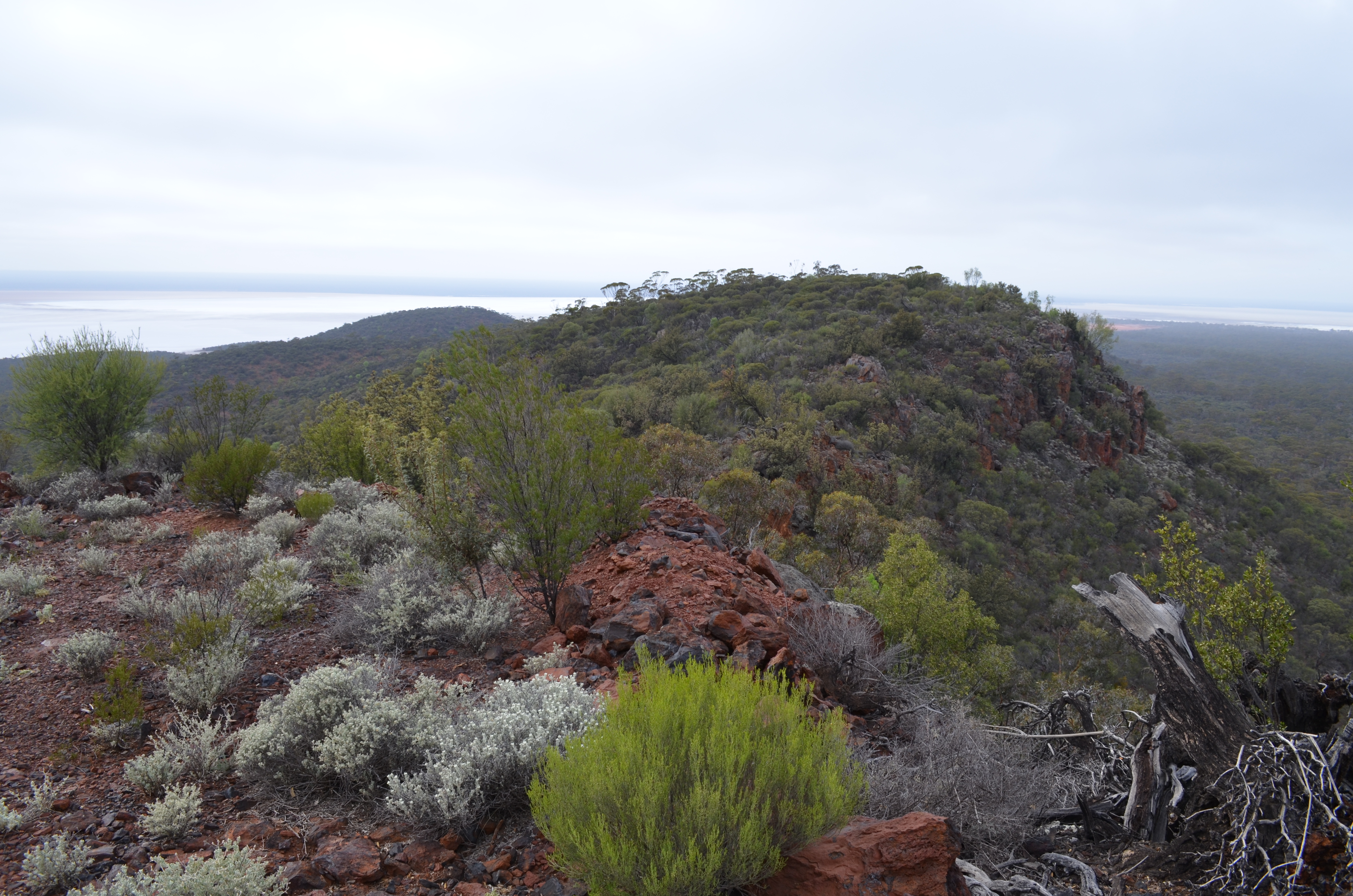
Globe Environments congratulates Cliffs Asia Pacific Iron Ore on today securing a recommendation for environmental approval of the Koolyanobbing Range F Deposit Project from the Environmental Protection Authority.
The F Deposit Project will form a southerly extension to Cliffs’ approved Koolyanobbing Range mine operations, expected to yield an estimated 8 million tonnes of iron ore having a gross economic value of approximately A$450million.
The key environmental assessment issue for the F Deposit Project was the effect to the Rare Flora taxon Tetratheca erubescens – which has been recorded only from the southern Koolyanobbing Range and is protected under the Wildlife Conservation Act 1950 (WA). Cliffs’ F Deposit Project will initially remove only 5% of the Tetratheca population to access the initial 6Mt resource, with access to the further 2Mt resource subject to Cliffs demonstrating it can successfully establish additional individuals of Tetratheca in order to be able to demonstrate a further removal of 10% of individuals can be offset.
Globe Environments has actively supported Cliffs with development of the F Deposit Project since 2012, commencing with assisting in initial project planning and mine design, coordinating the suite of environmental survey works (flora, fauna, geochem, soils), drafting of the environmental assessment and mining applications, and coordinating consultations with relevant Government agencies (e.g. EPA, DMP, DPaW).
Supporting both Cliffs and Globe Environments have been a range of consultants whom have provided high-quality scientific assessments and products – with our sincerest thanks extended to the staff of Bamford Consulting Ecologists, Bennelongia Environmental Consultants, Biota Environmental Sciences, Botanic Gardens and Parks Authority, CAD Resources, Maia Environmental Consultancy, MWH Australia, SRK Consulting, Western Botanical and Woodman Environmental Consulting.
We look forward to seeing Cliffs commencing development of this regionally significant project in early 2017.